Gutter Services in Jenison, MI
Ottawa County, Not Kent
Jenison is the one community in this ring that sits outside Kent County entirely. It is an unincorporated community administered by Georgetown Charter Township in Ottawa County, which changes the paperwork on any job that needs a permit. Zoning review runs through the Georgetown Charter Township building and zoning office on Baldwin Street, and the township then forwards approved applications to Professional Code Inspections, which keeps its own office further along Baldwin Street. Site plan review, where a project needs it, goes through the Georgetown Township Planning Commission. Contractors who work mainly on the Kent County side routinely get this sequence wrong. Water is the connective thread back to the main city: Georgetown Township runs a distribution system only and purchases its water from the City of Wyoming, drawn from Lake Michigan, while sewage treatment is purchased from the City of Grandville. Wells, where they exist, are permitted through the Ottawa County Health Department rather than the township.
Clay Soil and Where Roof Water Goes
The housing here is predominantly ranch and split-level built between the 1960s and the 1990s, with mature maple and oak canopy over established streets like those through Rosewood. Heavy clay soil under much of the community is the detail that changes gutter work most. Clay drains slowly, so roof water discharged near a foundation sits rather than percolating away, and seasonal water table movement compounds it. Getting discharge well clear of the wall matters more in Jenison than it does on sandier ground elsewhere in the metro. Georgetown Township took its shape from the lumber era, when the Jenison family worked land south of the Grand River along Rush Creek, and the Grand River still forms the township's northern edge. Rosewood Park, Pioneer Park and Maplewood Park sit among the residential streets, and the Jenison Historical Association Museum keeps the local record.
Georgetown Township Permits and Inspection
Cleaning in Jenison is shaped by two things: mature canopy and clay. The established streets through Rosewood sit under maples and oaks old enough to fill a trough completely between early autumn and the first freeze, so the fall visit is the one that matters most here. Skip it and the trough enters midwinter packed, holding water at the eave through every thaw cycle. The clay underneath is the second half. Because water discharged near a foundation on clay sits rather than soaking away, the downspout and discharge check is not a formality on these lots, particularly on the lower ground running toward the Grand River. We clear every outlet before the trough, flush each run to where it surfaces, and tell you if the water is ending up somewhere that is going to cost you. On a bilevel the lower roof discharge often lands on the upper grade, which is worth relocating.
Gutter Questions Jenison Homeowners Ask
An installation in Jenison goes through Georgetown Charter Township rather than a city, and that is genuinely a different path from the Kent County communities nearby. Zoning compliance is reviewed at the township office on Baldwin Street, then forwarded to Professional Code Inspections for the permit itself. Knowing that in advance is the difference between a job that starts on schedule and one that waits a week for paperwork nobody warned you about. On the roofs themselves, the 1960s to 1990s ranch and split-level stock takes five-inch trough well on the ranch runs. The split-levels are where sizing gets interesting, because the stepped roof planes concentrate flow onto short lower runs that were often fitted with exactly the same trough as the long upper ones. Those short runs are the ones that overflow.
Working the Baldwin Street Corridor
Repair work in Jenison follows the age of the housing closely. On the 1960s and 1970s ranches through Rosewood, the pattern is the familiar one: original fascia that has taken decades of overflow, soft at the low end, hangers with nothing left to bite into. On the 1980s and 1990s split-levels the failure is more often at the transition where the upper roof discharges onto or beside the lower run, because that concentrated flow works sealant loose at the joint faster than anything else on the house. The clay soil across Georgetown Charter Township adds a third category that most gutter companies treat as somebody else's problem: buried discharge lines that have failed and now back water up against a foundation. We test those with water rather than assuming they still work.
Gutters, downspouts and ice dams. That is the whole list.
Comprehensive Gutter Services Services in Wyoming
Tailored to Your Needs
Ten services, and the first three cover most of the calls we get: cleaning, installation and repair. The rest exist because a clogged downspout, a rotted fascia run and a February ice dam are genuinely different jobs, with different tools, different access and different pricing.

A full clean removes debris, flushes every run, and confirms each downspout discharges freely.
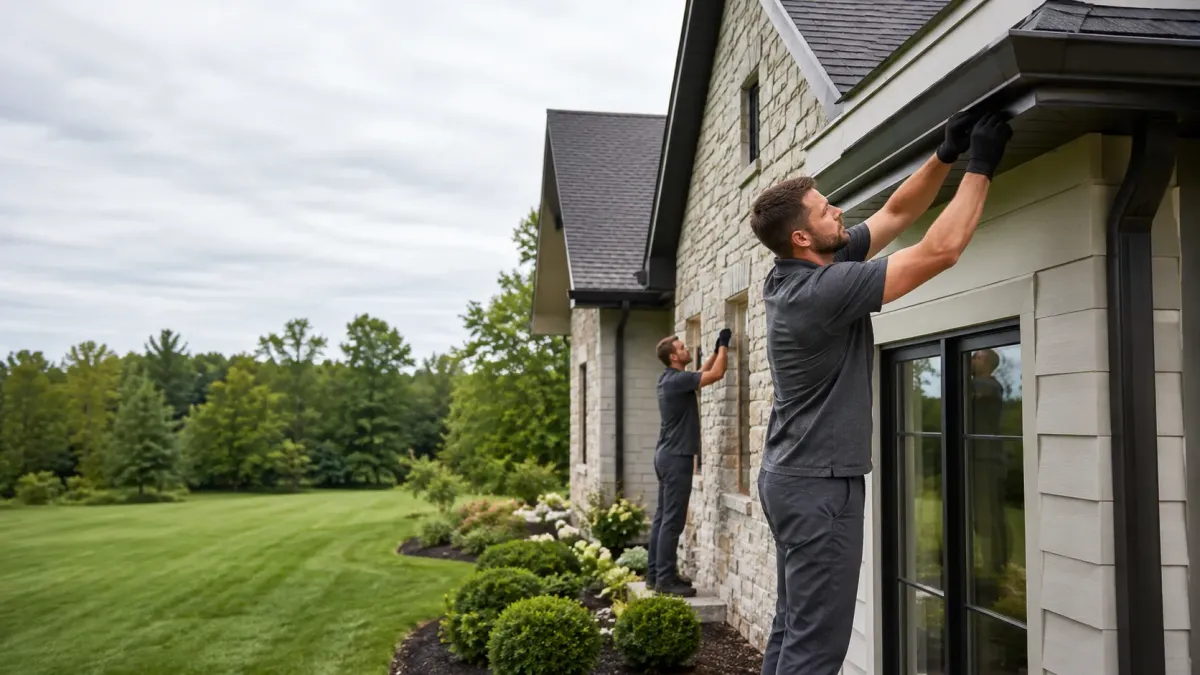
Installation sizes the trough and outlets to the roof area actually draining into them.

Repair addresses the cause of the failure rather than resealing the symptom.
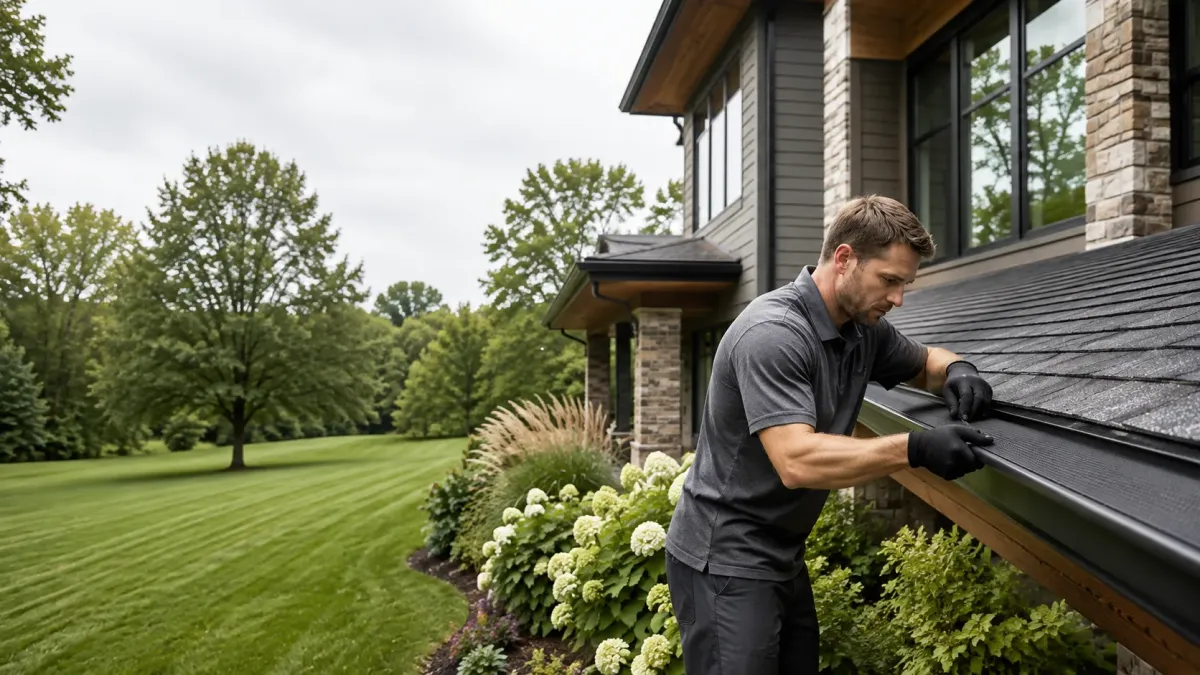
Guards reduce cleaning frequency; they do not eliminate maintenance on a treed lot.
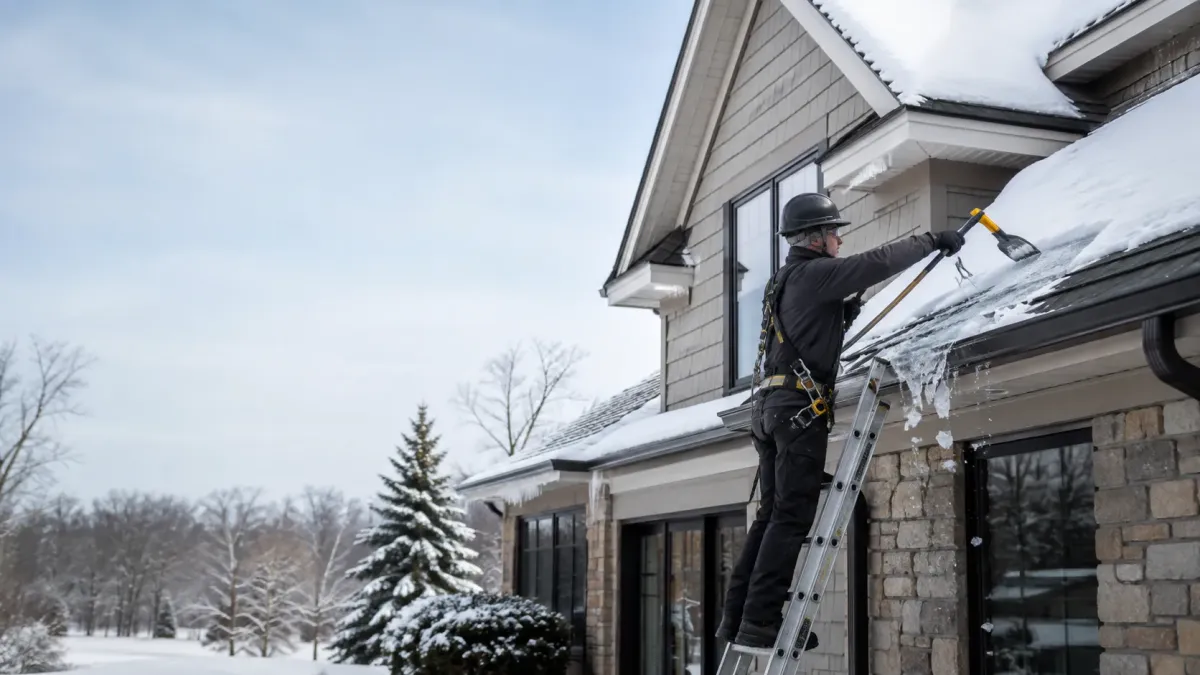
Removal clears the ice ridge and reopens drainage before meltwater backs under shingles.

Fascia repair restores the structural board that gutter hangers actually fasten into.
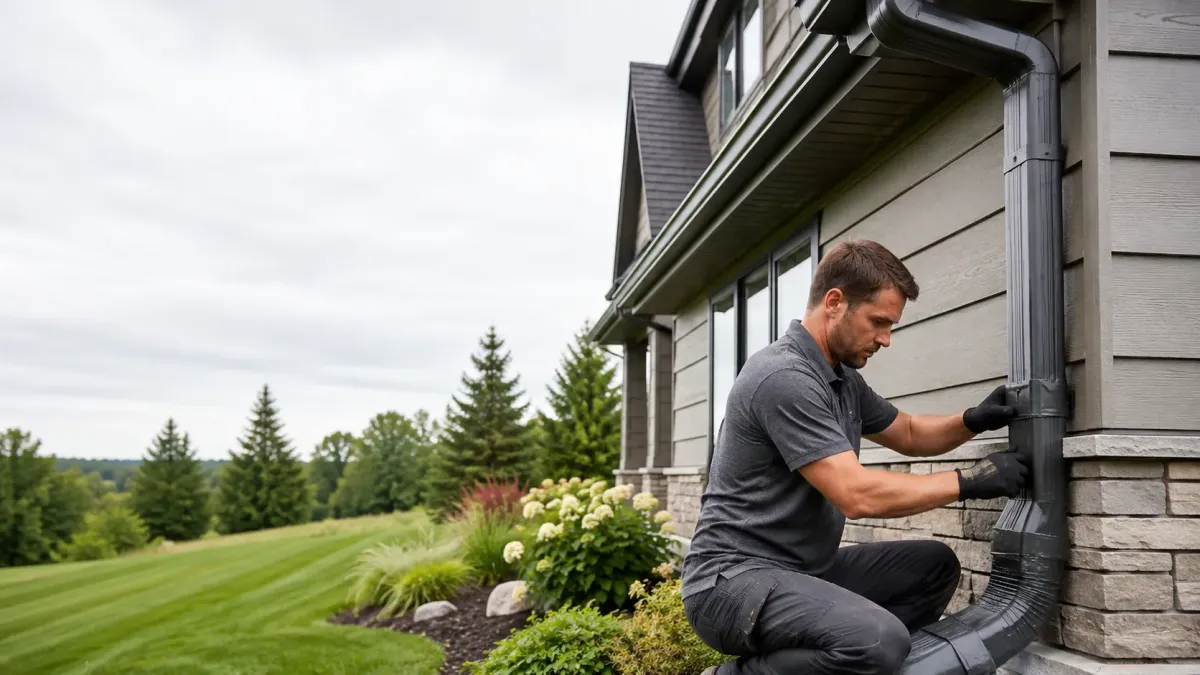
Downspout work moves roof water past the foundation instead of beside it.
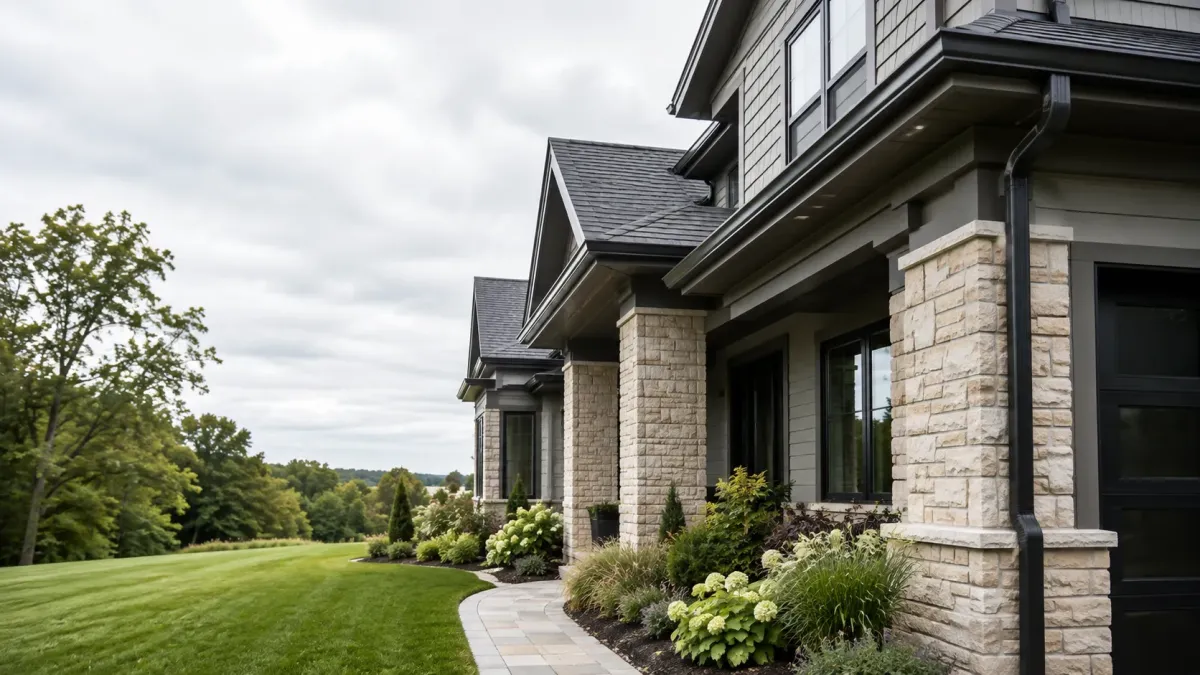
Seamless trough is formed to the exact run length, removing the joints that leak first.
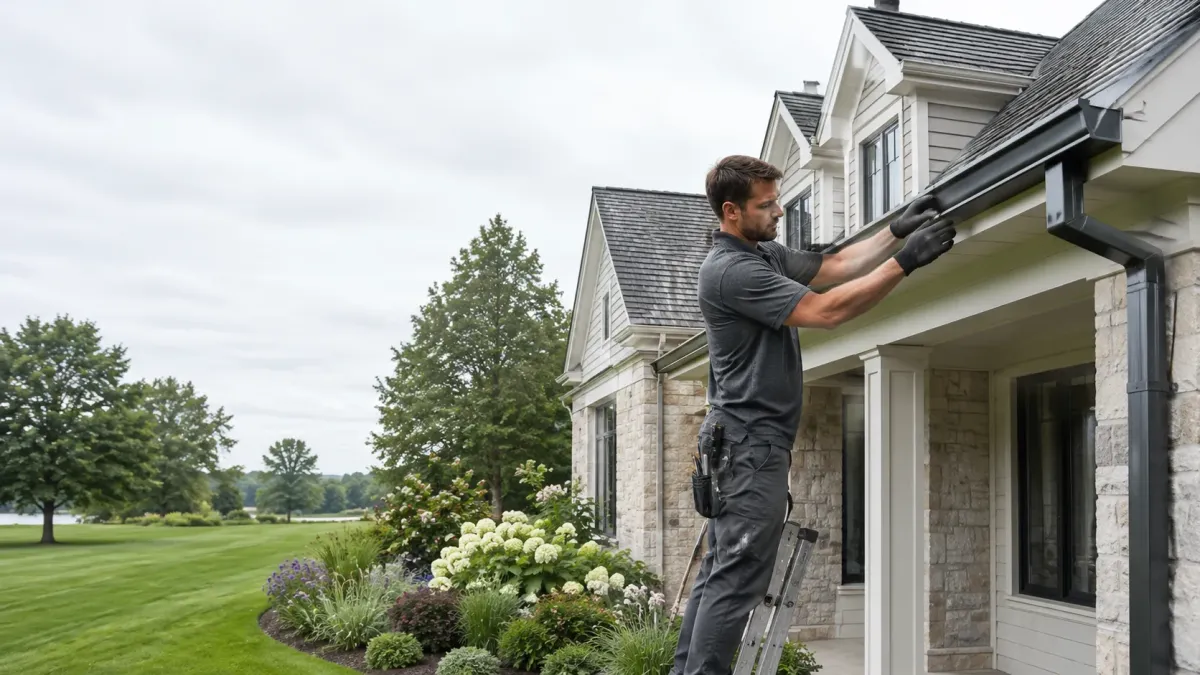
Replacement is the right call once repair costs start recurring every season.
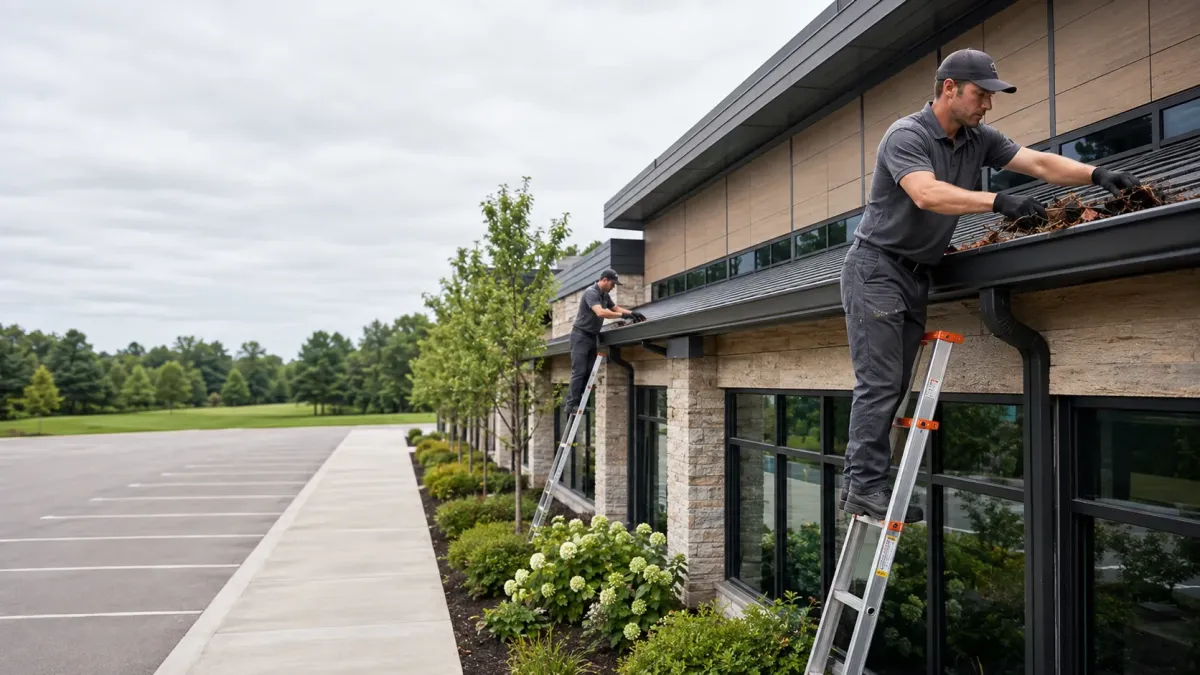
Commercial work runs on scheduled visits with documentation for the property file.
Frequently Asked Questions
Gutter Services can be complex, and we’re here to provide answers to common questions. Here are some frequently asked questions from our clients.
Frequently Asked Questions about gutter cleaning wyoming mi
What is the average cost of gutter cleaning in Wyoming, MI?
There is no single figure, because cleaning is priced on linear footage, roof height and how much the downspouts have to be broken down. A single-story ranch with straight runs and two downspouts is a different job from a two-story with inside corners and buried discharge lines. We quote after we see the roofline, and the number we give is the number you pay.
How much should a gutter clean cost?
Price follows access more than anything else. Steep pitch, second-story runs, and gutters that have not been touched in three seasons all add time, and compacted debris has to be bagged rather than flushed. Ask any company whether the quote includes flushing the downspouts to the discharge point, because that is where the difference usually hides.
How much does it cost to have gutters cleaned in Michigan?
Statewide averages are close to meaningless here because West Michigan roofs carry a heavier leaf load than most of the state and the freeze cycle starts earlier. What matters is your own roof: total footage, number of stories, downspout count, and whether guards have to come off and go back on. We price the house in front of us.
What is the little known trick for cleaning gutters?
Clean the downspouts before the troughs, not after. Most homeowners scoop the gutter clean, flush it, and push the loosened debris straight into an outlet that was already partly blocked. Clearing the outlet and the discharge end first means the flush actually runs through. It is also the step that gets skipped when a crew is being paid by the house rather than the hour.
How much does gutter installation cost?
Installation is quoted on total run length, corner count, downspout count and material. Aluminum, steel and copper are three different prices for the same shape of job. The other variable most quotes leave out is fascia repair, and on Wyoming homes built in the 1950s that is a real line item rather than a rare surprise.
How much does seamless gutter cost compared to sectional?
Seamless costs more per foot and removes the joints that leak first, which is why almost every replacement here goes seamless. The material is rolled to length on site, so the price moves with run length and corner count rather than the number of sections. On a house with long straight runs the difference narrows considerably.
Still Have Questions About gutter cleaning wyoming mi?
Speak With a Trusted Gutter Services Expert Today.
What Our Satisfied Clients Have to Say About
We pride ourselves on delivering great results and experiences for each client. Hear directly from home and business owners who’ve trusted us with their Gutter Services needs.
The Trusted Gutter Services Expert Near You
Ready to hear more about expert services at ?
Contact us today to receive a detailed, no-obligation quote.


