Gutter Services in Byron Center, MI
Newer Subdivisions, Bigger Roof Areas
Byron Center is the Byron Township seat, and unlike the incorporated cities in this ring it has no city building department. Permits run through Byron Township, and there is no separate design review or historic district commission to clear. Site plan and exterior review goes through the five-member volunteer Byron Township Planning Commission under the township zoning ordinance. Water comes from the Byron-Gaines Utility Authority, which purchases it wholesale from the City of Wyoming, drawn from Lake Michigan. The housing is the real difference here. Where the older communities in this ring are largely postwar, Byron Center is predominantly newer single-family subdivisions built from the early 2000s onward, alongside established late-1990s cul-de-sac developments. New construction from Eastbrook Homes and West Lake Homes at Cook's Crossing and Stonegate continues to push the township outward. Newer does not mean the gutters are right. It means the failures are different ones.
Byron Township Permits and Review
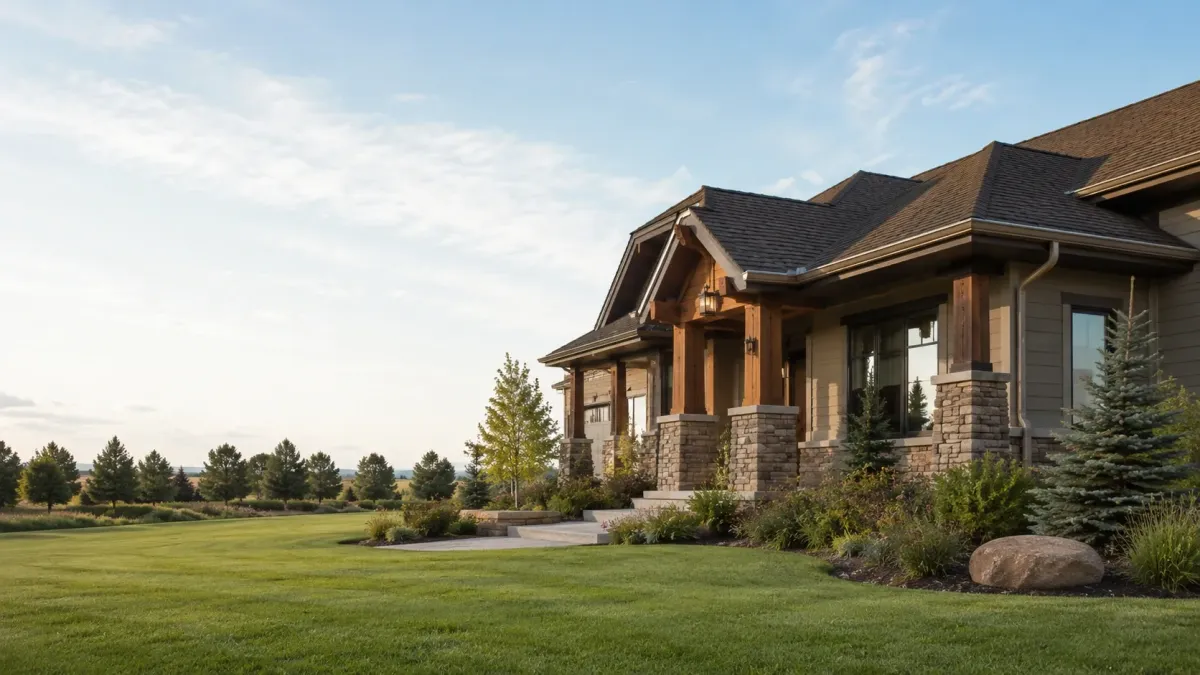
Two-story subdivision homes built in the last twenty-five years carry considerably more roof area per elevation than the ranches to the north, and builder-specified gutter is frequently sized to a budget rather than to the roof draining into it. The result is a system that is clean, correctly pitched, and still overflowing at the corner every time it rains hard, because one downspout is being asked to carry two roof planes. The other pattern here is ice. Steeper pitches and larger attic volumes on these newer homes produce meltwater faster during a thaw, and where soffit intake is partly blocked the eave dams reliably. The Old Village Centre area around 84th Street and Byron Center Avenue has older stock that behaves more like Cutlerville, and the Kent Trails corridor runs along the former Grand Rapids & Indiana Railroad line through the community.
Emergency and Storm Gutter Repair
Cleaning in Byron Center looks easy from the street and often is not, because the newer subdivision homes out toward Cook's Crossing and Stonegate are taller than the housing in the older communities nearby. Two-story elevations with steep pitch mean the trough is out of reach from a standard ladder set safely, and the runs are long. What we watch for during a clean here is the pattern that says the system was undersized from the day it went up: debris compacted hard at one specific corner, staining on the fascia above the outlet, and a trough that shows a standing water line along its back wall. Those three together mean the run is asking one downspout to do the work of two. Cleaning it again in six months will not change that, and we would rather say so than sell you a schedule.
Where Byron Center Water Comes From
Installation in Byron Center goes through Byron Township, not a city hall, and there is no design review commission anywhere in the path. That makes the permit side simpler than in Kentwood or Grandville, where a city desk handles it. The sizing side is where the attention goes instead. On the subdivision stock at Cook's Crossing and Stonegate and the developments spreading around them, the roof area draining into a single elevation is frequently larger than five-inch trough with one outlet can carry during the kind of downpour that arrives here in midsummer. Six-inch trough with correspondingly larger outlets is the right answer more often in Byron Center than anywhere else in this ring. In the older Old Village Centre area the calculation flips back toward standard five-inch on shorter runs.
Ice Dams on Two-Story Subdivisions
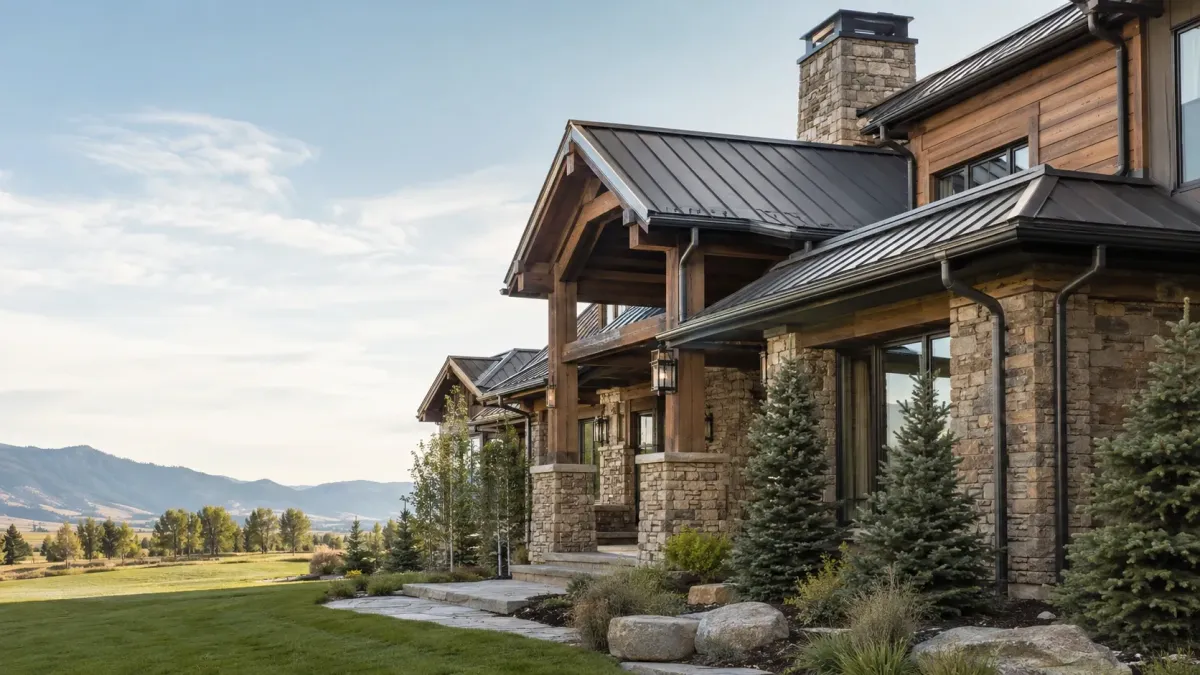
Repair here divides between two housing types inside the same township. On the newer subdivisions the recurring failures are hangers pulled loose under ice load on long two-story runs, and outlets that were undersized from the start. Neither is a fascia problem, because the board is still relatively young and holds a fastener fine. In the Old Village Centre area around 84th Street and Byron Center Avenue, the older stock behaves the way postwar housing does everywhere in this ring, with soft board at the low end of runs and fasteners that no longer bite. Storm and ice detachment calls come mostly from the taller subdivision elevations, where a loaded run that lets go takes drip edge with it. Those get stabilized on the first visit and repaired properly once we can see what they were attached to.
Gutters, downspouts and ice dams. That is the whole list.
Proudly serving Wyoming, Cutlerville, Kentwood, Byron Center, Grandville and Jenison for years.
Comprehensive Gutter Services Services in Wyoming
Tailored to Your Needs
Ten services, and the first three cover most of the calls we get: cleaning, installation and repair. The rest exist because a clogged downspout, a rotted fascia run and a February ice dam are genuinely different jobs, with different tools, different access and different pricing.

A full clean removes debris, flushes every run, and confirms each downspout discharges freely.
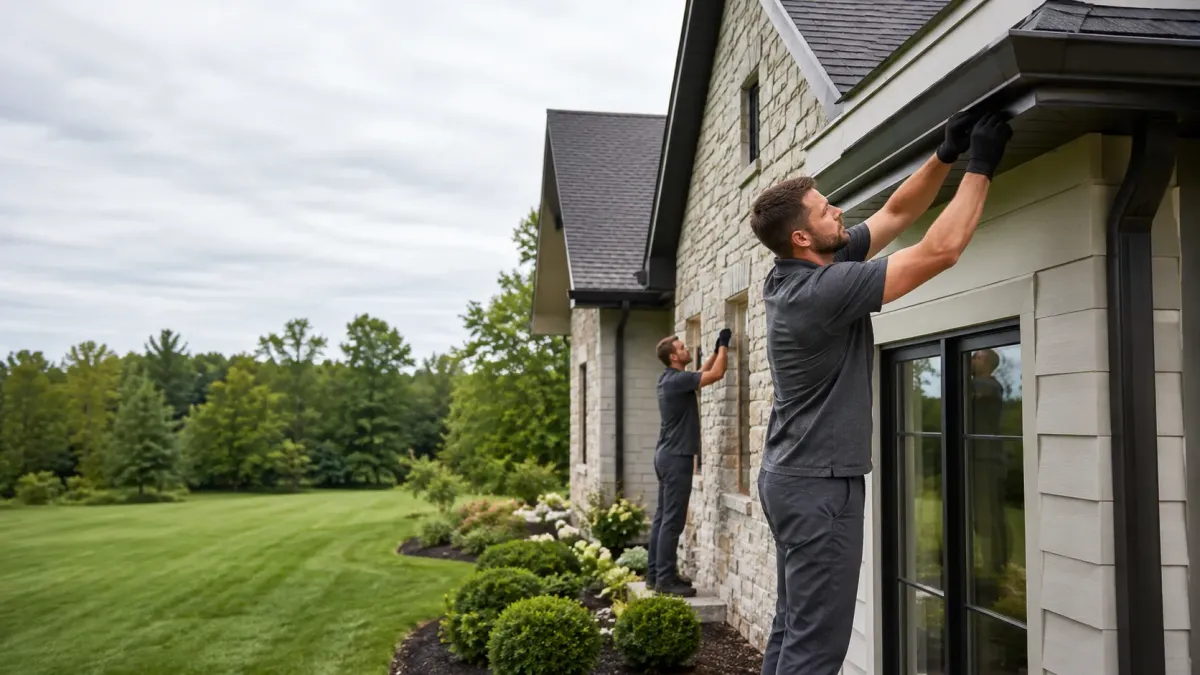
Installation sizes the trough and outlets to the roof area actually draining into them.

Repair addresses the cause of the failure rather than resealing the symptom.
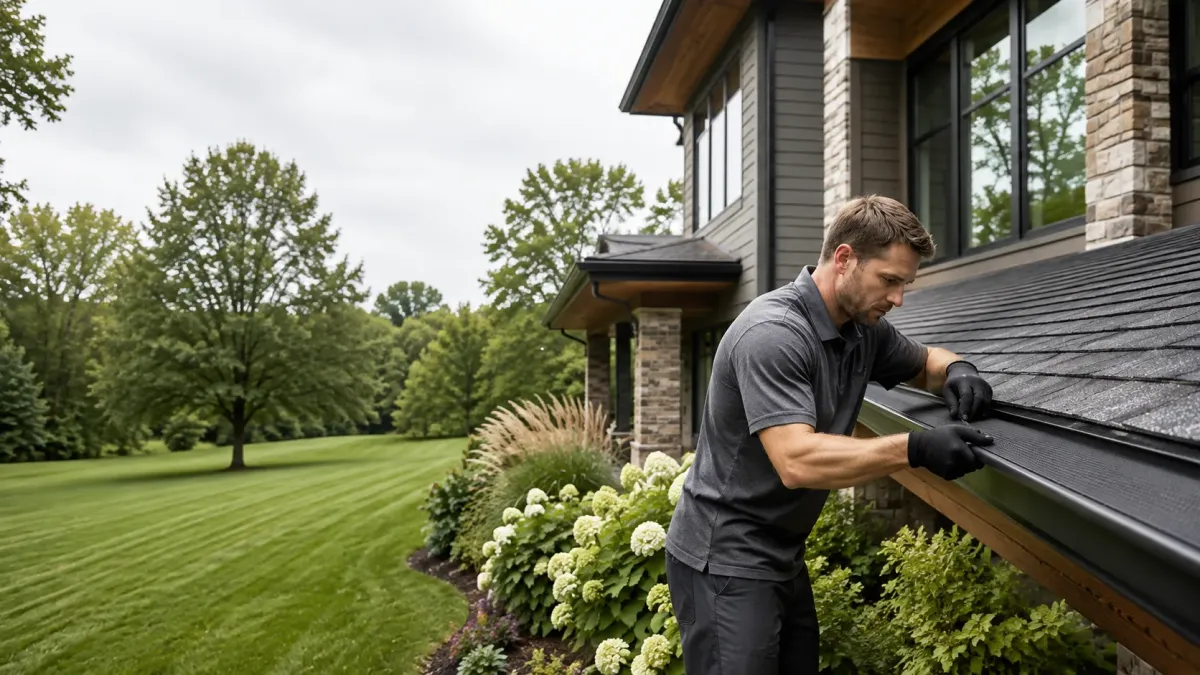
Guards reduce cleaning frequency; they do not eliminate maintenance on a treed lot.
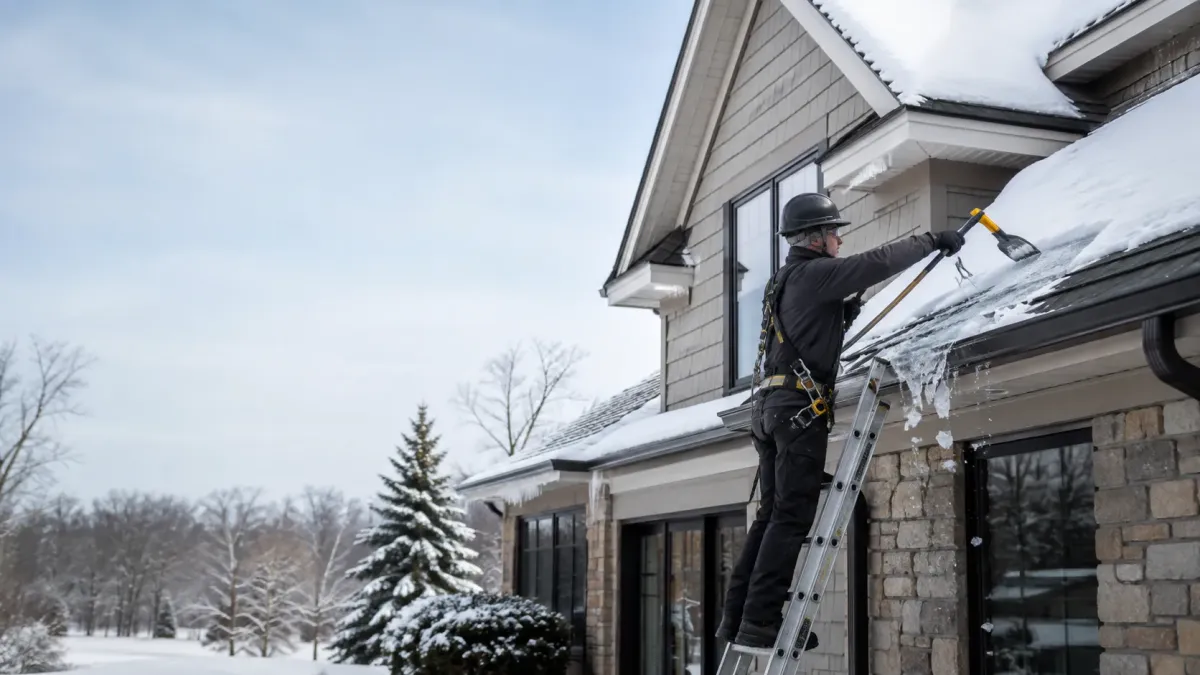
Removal clears the ice ridge and reopens drainage before meltwater backs under shingles.
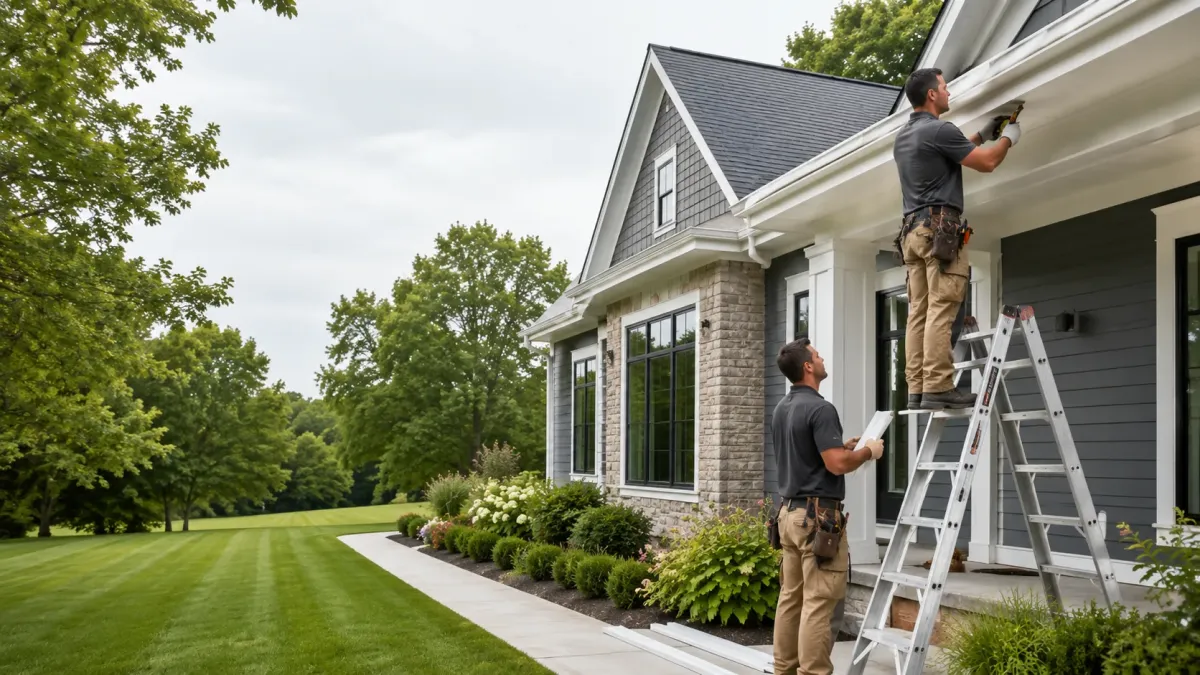
Fascia repair restores the structural board that gutter hangers actually fasten into.
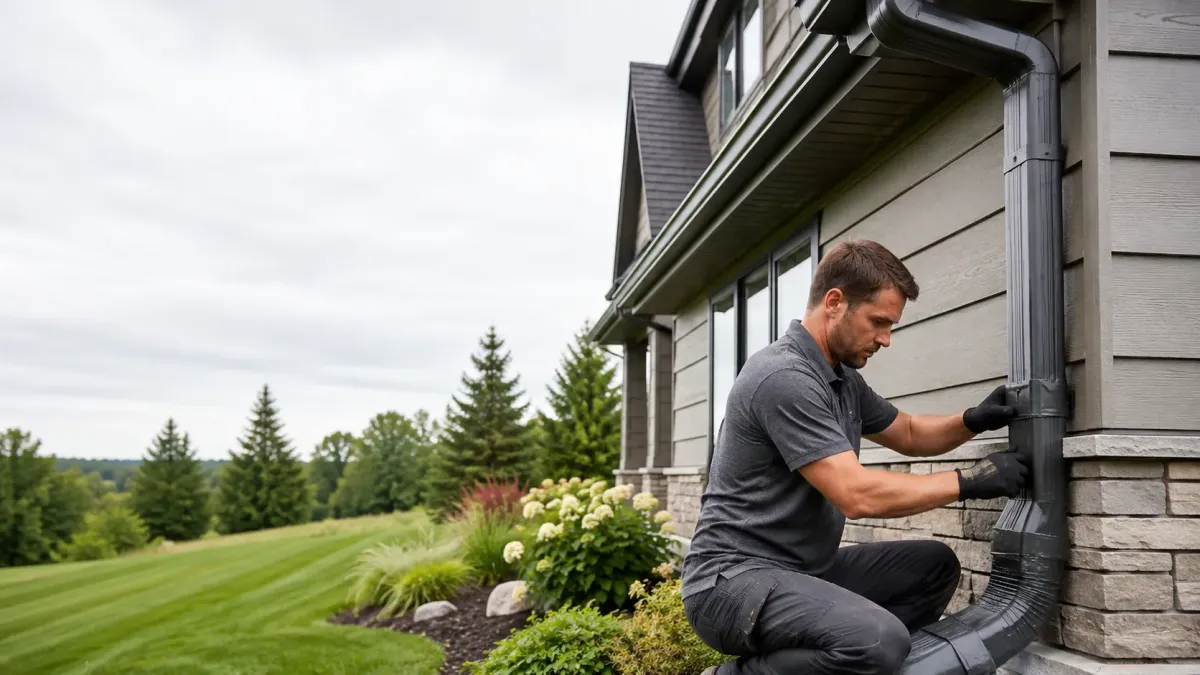
Downspout work moves roof water past the foundation instead of beside it.
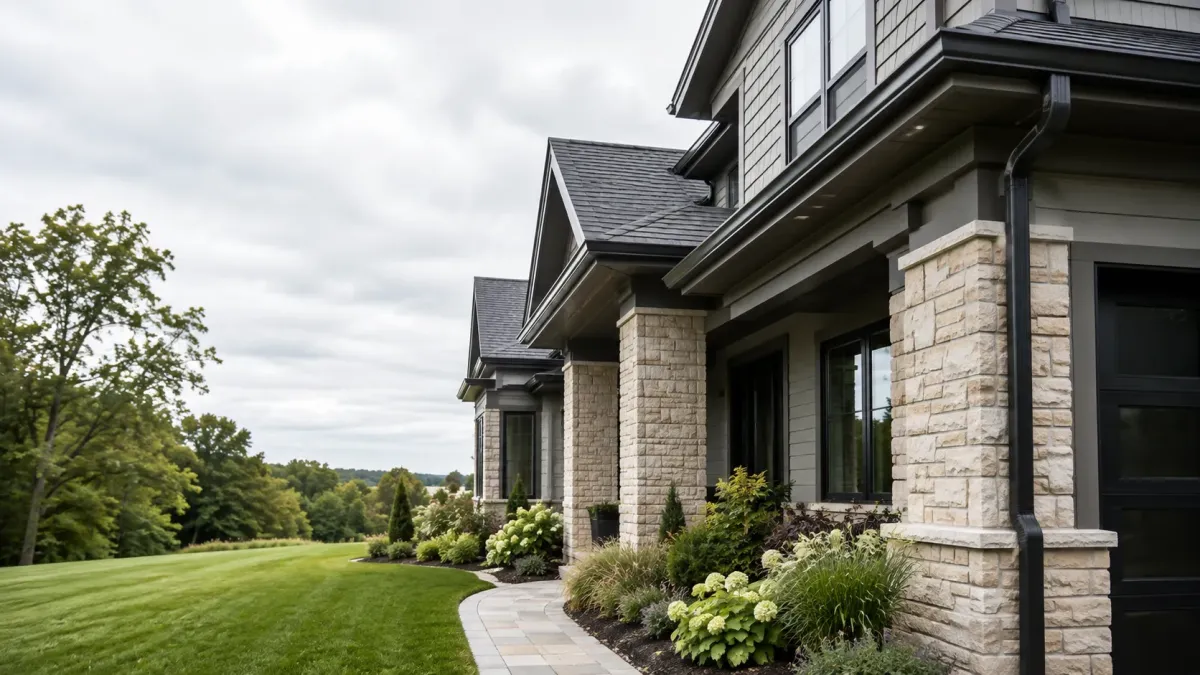
Seamless trough is formed to the exact run length, removing the joints that leak first.
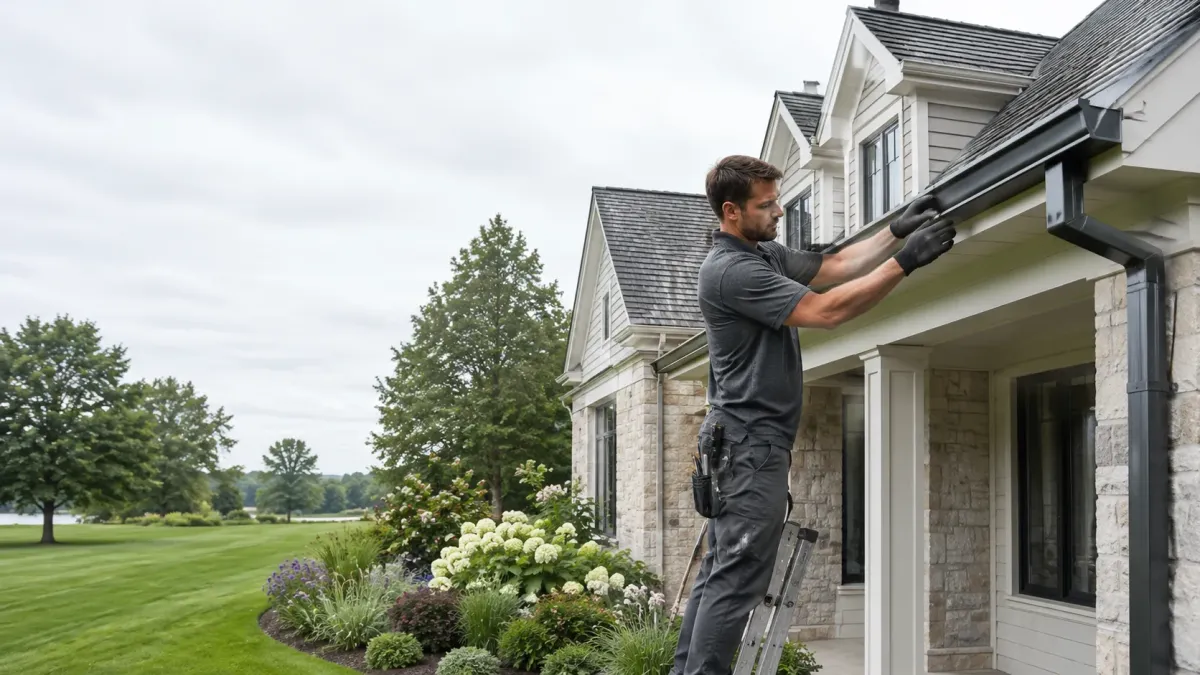
Replacement is the right call once repair costs start recurring every season.
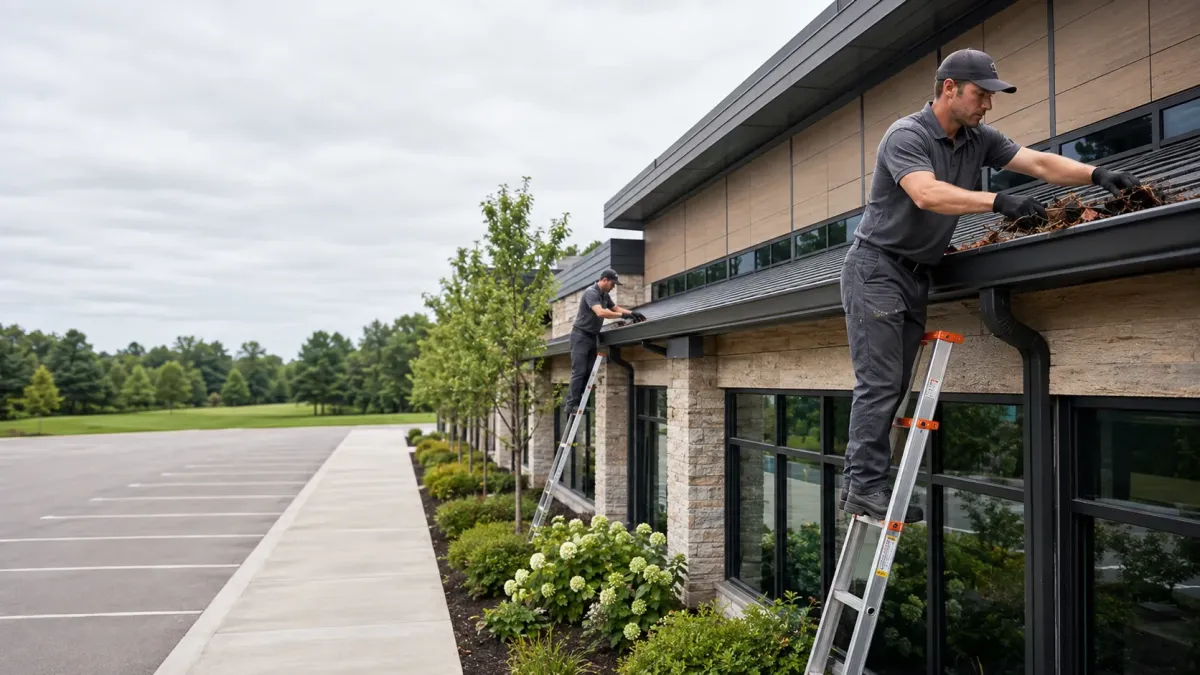
Commercial work runs on scheduled visits with documentation for the property file.
Frequently Asked Questions
Gutter Services can be complex, and we’re here to provide answers to common questions. Here are some frequently asked questions from our clients.
Frequently Asked Questions about gutter cleaning wyoming mi
What is the average cost of gutter cleaning in Wyoming, MI?
There is no single figure, because cleaning is priced on linear footage, roof height and how much the downspouts have to be broken down. A single-story ranch with straight runs and two downspouts is a different job from a two-story with inside corners and buried discharge lines. We quote after we see the roofline, and the number we give is the number you pay.
How much should a gutter clean cost?
Price follows access more than anything else. Steep pitch, second-story runs, and gutters that have not been touched in three seasons all add time, and compacted debris has to be bagged rather than flushed. Ask any company whether the quote includes flushing the downspouts to the discharge point, because that is where the difference usually hides.
How much does it cost to have gutters cleaned in Michigan?
Statewide averages are close to meaningless here because West Michigan roofs carry a heavier leaf load than most of the state and the freeze cycle starts earlier. What matters is your own roof: total footage, number of stories, downspout count, and whether guards have to come off and go back on. We price the house in front of us.
What is the little known trick for cleaning gutters?
Clean the downspouts before the troughs, not after. Most homeowners scoop the gutter clean, flush it, and push the loosened debris straight into an outlet that was already partly blocked. Clearing the outlet and the discharge end first means the flush actually runs through. It is also the step that gets skipped when a crew is being paid by the house rather than the hour.
How much does gutter installation cost?
Installation is quoted on total run length, corner count, downspout count and material. Aluminum, steel and copper are three different prices for the same shape of job. The other variable most quotes leave out is fascia repair, and on Wyoming homes built in the 1950s that is a real line item rather than a rare surprise.
How much does seamless gutter cost compared to sectional?
Seamless costs more per foot and removes the joints that leak first, which is why almost every replacement here goes seamless. The material is rolled to length on site, so the price moves with run length and corner count rather than the number of sections. On a house with long straight runs the difference narrows considerably.
Still Have Questions About gutter cleaning wyoming mi?
Speak With a Trusted Gutter Services Expert Today.
What Our Satisfied Clients Have to Say About
We pride ourselves on delivering great results and experiences for each client. Hear directly from home and business owners who’ve trusted us with their Gutter Services needs.
The Trusted Gutter Services Expert Near You
Ready to hear more about expert services at ?
Contact us today to receive a detailed, no-obligation quote.


